
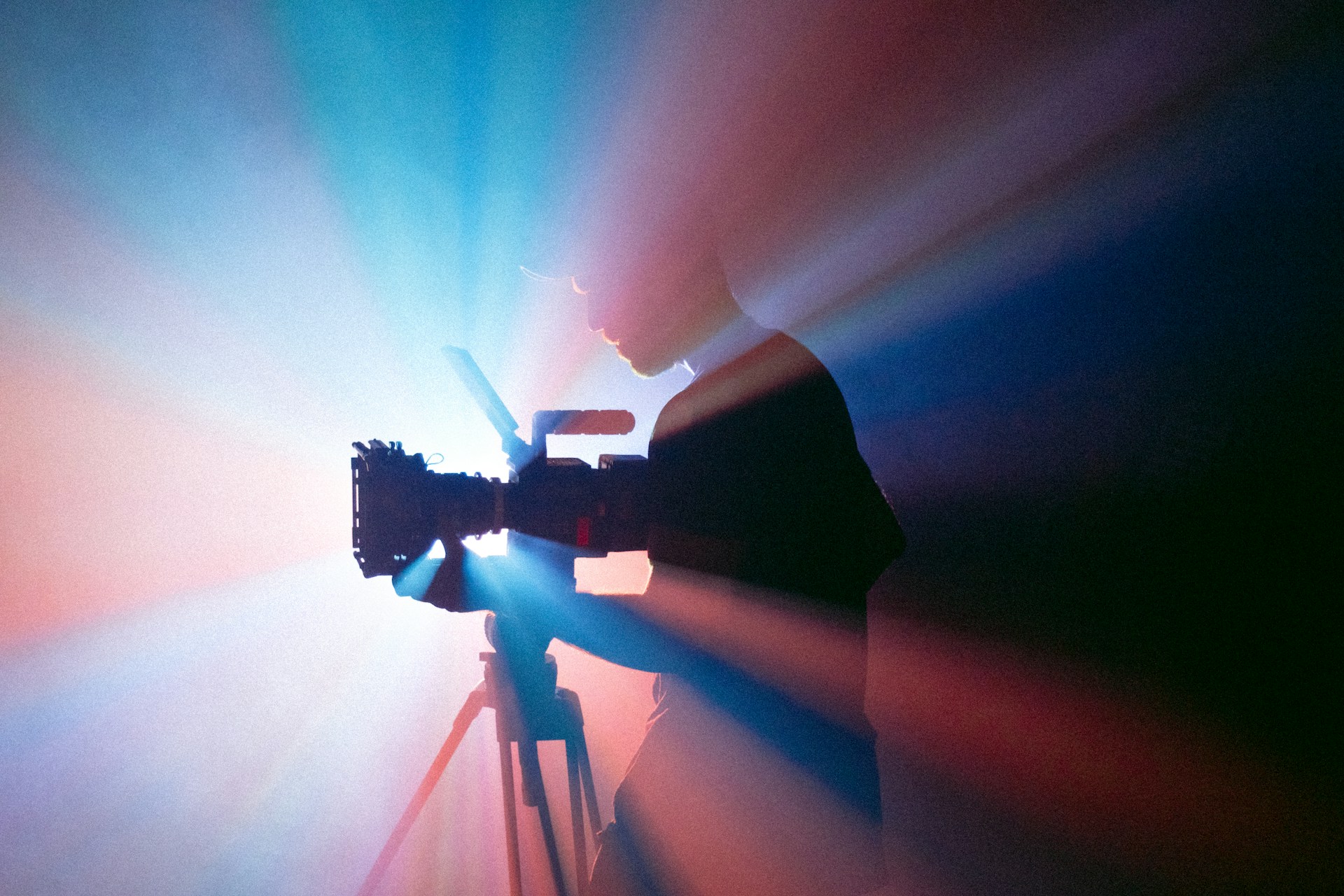
The new cinematography is making the film experience a revolution, not only in the way the movies are produced, but also in the way the movies are consumed. The possibilities of visual storytelling have been enlarged by the technological innovations and the new artistic techniques. The emotional appeal, immersion and variety of cinematic experiences are enriched by this development and make the films more captivating than ever before.
The Rise of Digital Cinematography
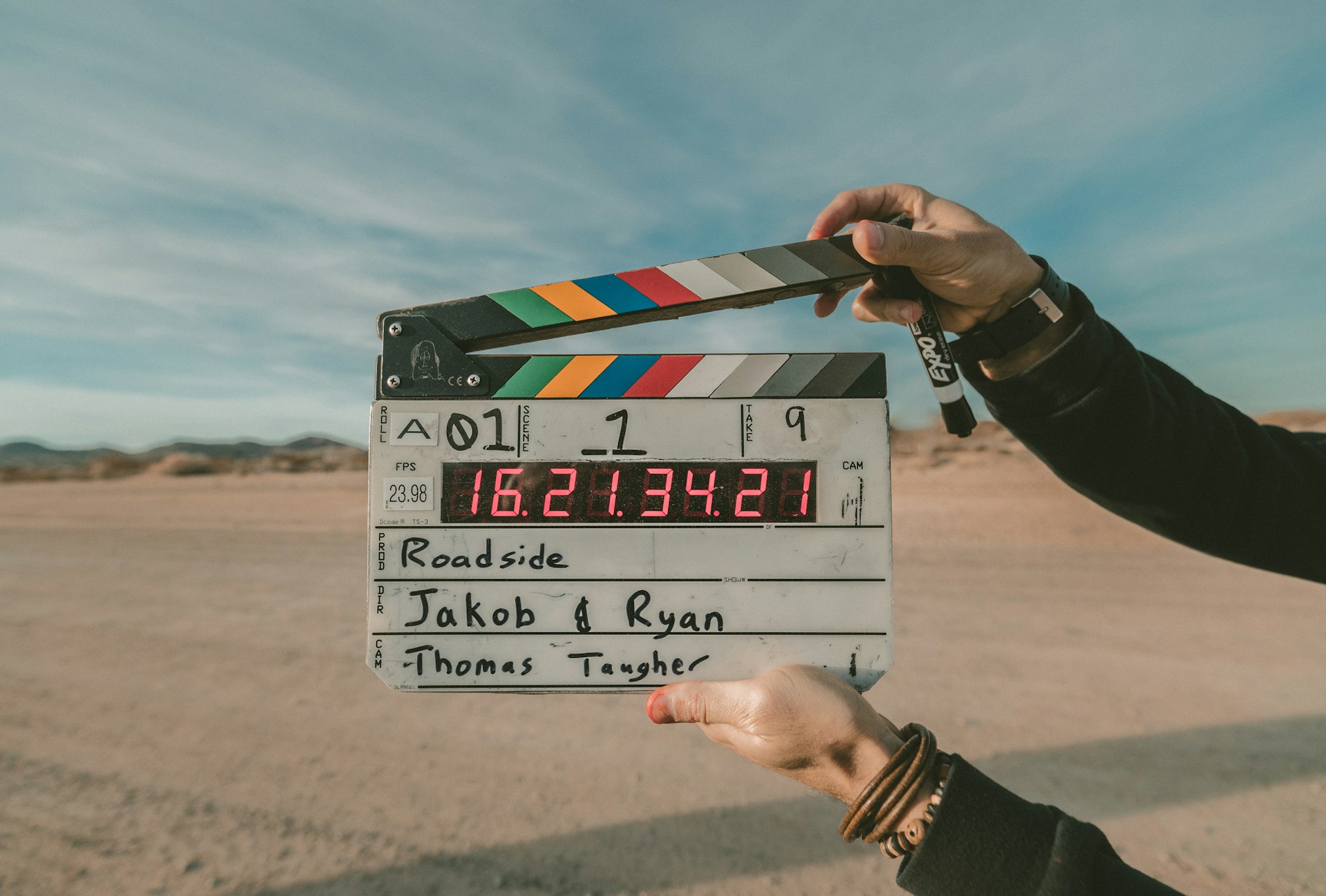 The transition of traditional film to digital cameras can be considered as one of the most prominent changes in the modern cinematography. Digital cinematography gives the film makers more options and control. Digital cameras enable longer takes without breaks, instant playback, and can be more readily incorporated into post-production processes, unlike film reels. This feature has altered the speed and nature of shooting and the directors and cinematographers are now able to be more experimental in terms of visual and camera movements. The modern digital sensors have high resolution and dynamic range which gives breathtaking image quality that increases the clearness and depth of scenes, bringing the viewers close to the story world.
Advances in Camera Technology
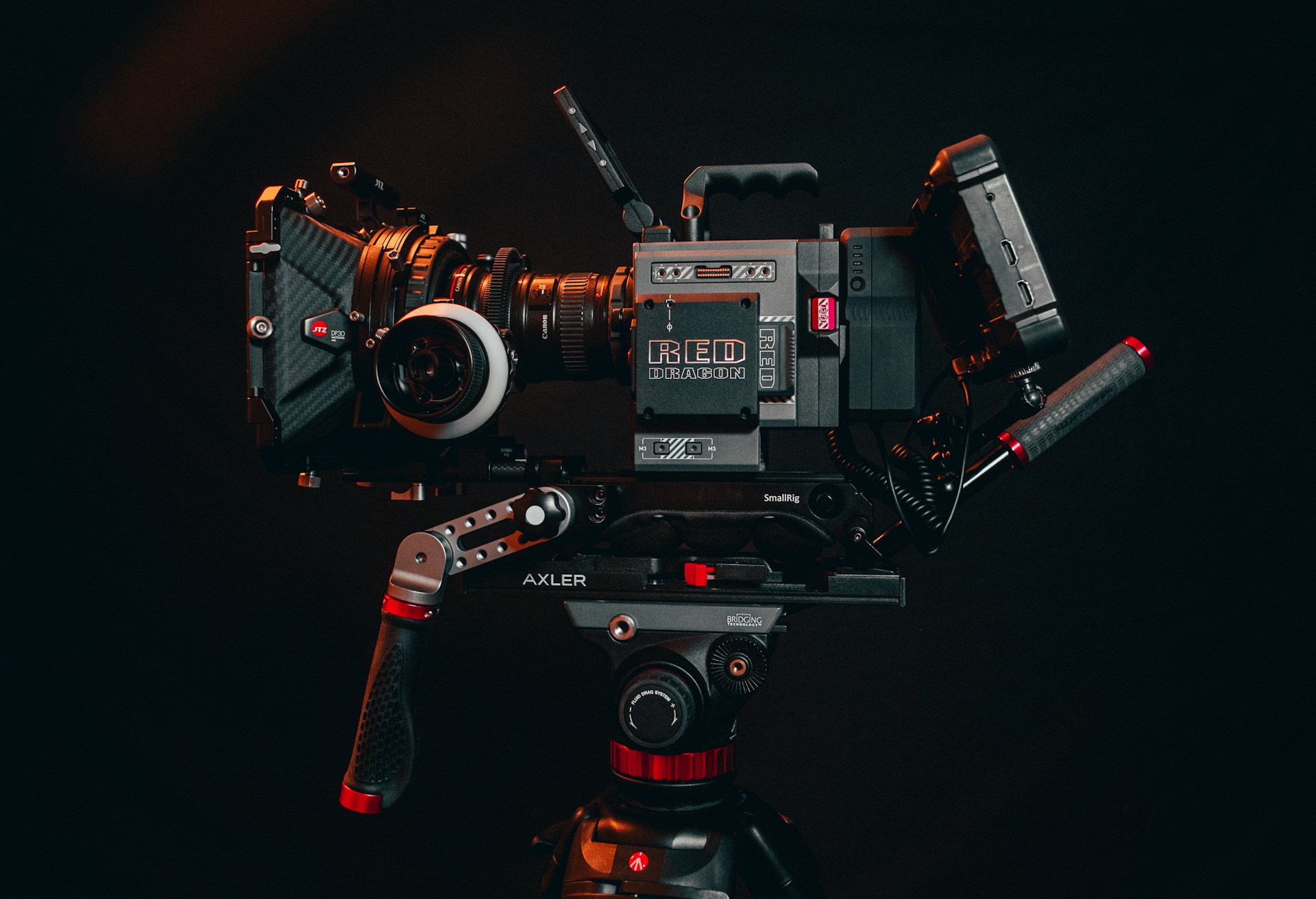
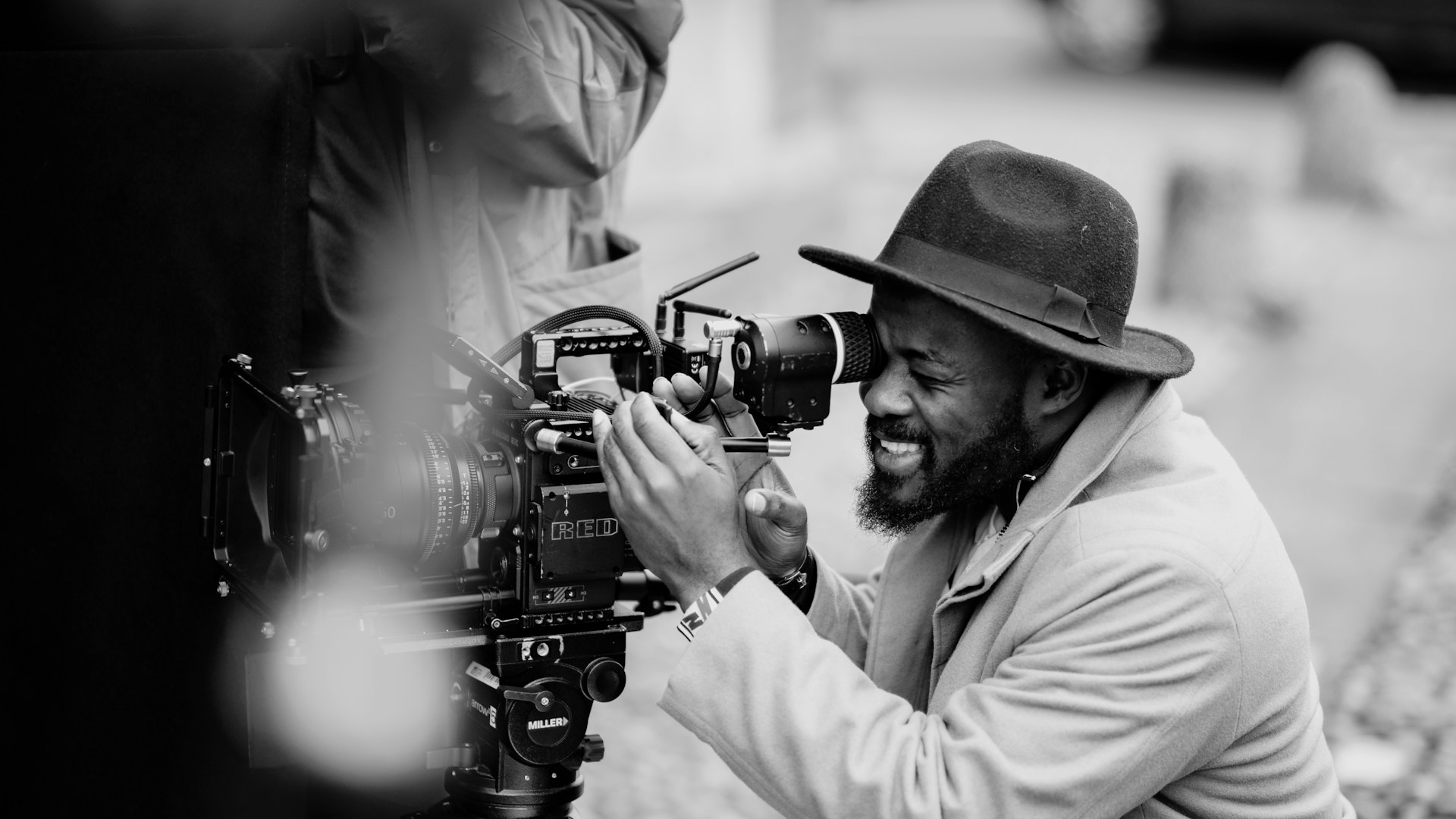 The modern-day cameras have improved way past the simple functions. New creative opportunities have been created by the creation of lightweight and versatile cameras, including mirrorless and drone-mounted cameras. An example is drones which allow filmmakers to record sweeping aerial shots and dynamic movement that used to be prohibitively expensive or unattainable. Also, ultra-slow-motion scenes made possible by the high-speed cameras mean that the viewers will be able to observe details and emotions in a manner that increases dramatic impact. These technological resources widen the range of vocabulary of cinematography and create the possibility to create images that previously seemed impossible.
The Impact of Virtual Production
Increased Use of CGI and Visual Effects
Although computer-generated imagery (CGI) has been involved in the filmmaking industry over the decades, the adoption of its use alongside the current cinematography has been more seamless and sophisticated. Moviemakers have learned to combine live-action with CGI in a more organic and non artificial manner. Through this synergy, fantasy worlds, beings, and scenes are created that pull viewers into fantasy without ruining the suspension of disbelief. Improved VFX also facilitate visual storytelling by focusing on mood, emotion and atmosphere, which the traditional cinematography did not possess.
Changing Aesthetic Styles and Narrative Approaches
 Contemporary cinematography is not only a technological phenomenon, but it is also a change in style and focus in the narrative. Moviemakers are adopting more experimental structures, odd framing and dynamic lighting effects to ensure that a story is visually unique. Long takes, natural light, and handheld shots make the film close and in-your-face, and stylized color grading establishes moods and themes in a subtle way. This integration between art and technology invites the viewers to be more active in watching the movies as they may interpret images as a type of language and not as decoration.
Enhanced Viewer Immersion and Engagement
All the technical and artistic improvements result in a more involved movie experience. Today, audiences demand to be immersed completely into the realm of a movie, to experience the emotional peaks and downs as though they are a part of the narrative. This immersion is intensified by modern cinematography, which has a clearer image, more vivid color scheme, and more movement of the camera. It welcomes audiences to watch movies not in terms of narrative but in terms of a visual stimulating voyage that evokes their imaginations and their senses. The outcome is a very powerful and profoundly touching experience that enhances the strength of cinemas.
In conclusion, contemporary cinematography is transforming the movie experience significantly through incorporating new technologies and innovative methods of narrating stories. This development improves the visual quality, narrative depth and emotional appeal of films besides making them more immersive to the audience. As technology advances, so will the opportunities available to the filmmakers to create new and exciting film-making experiences that will transform the way we see and experience the films.