
The process of adapting a story into a movie is a complicated and joint one that alters the ideas on paper into something on screen. Between the first wave of inspiration to the last screening, a lot of steps define the process of script to screen. The study of this process helps in revealing the creativity and collaboration in filmmaking.
The Scriptwriting Stage
All films start with a script, the blue print with dialogue, characters and story structure. Authors can begin with an original idea, a book, play or real life event adaptation. The script undergoes several drafts with plot, pacing and character development being refined. Screenwriters design the scenes in a way that is easy to watch and still maintain the storyline making it interesting. This step also includes the contributions of producers and occasionally the director who give an opinion on practicability and creativity.
Pre-Production Planning
When the script is complete, pre-production is initiated where extensive planning is done before the cameras are switched on. In this stage, budgeting is involved in order to allocate funds to cast, crew, locations, equipment and post production. Some of the main crew members that are hired by directors and producers are the cinematographers, production designers, and costume designers. Actors are auditioned by casting directors in order to find the appropriate talents in a role. Location scouts identify appropriate locations that fit the context of the story and schedules of shooting are arranged in a way that is effective to organize the filming process.
Production: Filming the Movie
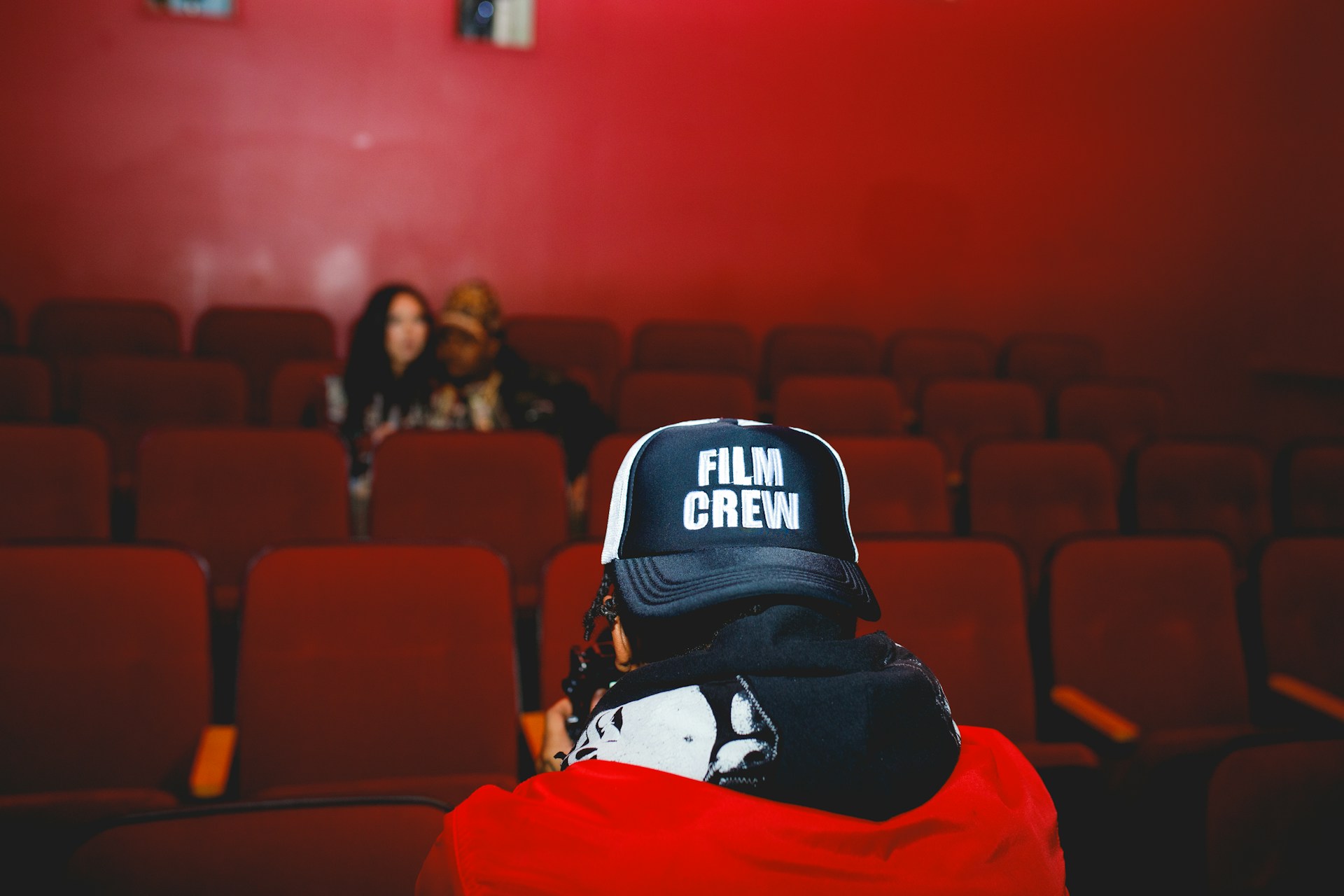
 The stage in which the script is brought to life by means of filming is production. It requires the accurate coordination of departments that operate concurrently. Directors control the creative vision, arranging the performance of actors and the work of cameras. Because the mood and style are to be captured, cinematographers regulate the light and the arrangement of shots. Dialogue and ambient sounds are recorded by sound engineers. The costumes and set design form immersive settings that are used to correspond to the tone of the story. This stage might be hard and time-constrained, and it might have to last long hours and be flexible towards unforeseen problems.
Post-Production: Shaping the Final Film
Marketing and Distribution
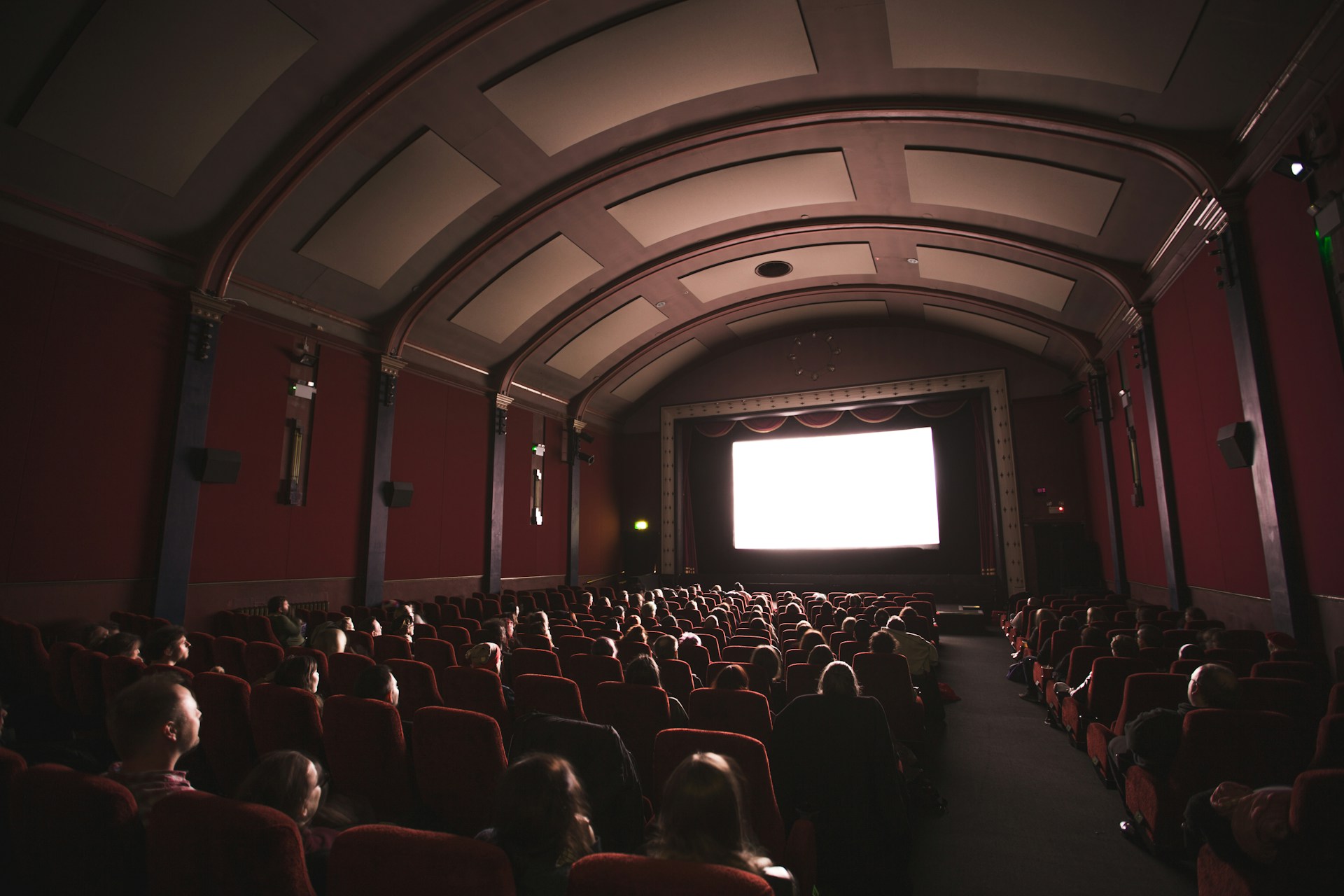 As the movie is ready, the focus is on the marketing and distribution, which make the movie accessible to its audience. Marketing departments come up with trailers, posters, and promotional activities depending on the genre of the film and the target audience. Distribution agreements help to define whether the film will be shown at the theaters, on online streaming sites, or during film festivals. Proper timing is used to boost the viewership and box office sales. Premieres and press conferences generate hype and critical attention, which influence the cultural presence of the movie.
Collaboration and Creativity
 The script-to-screen process is based on the cooperation between creative and technical people. Specialized skills are provided by writers, directors, producers, actors, designers, editors among many others. Their efforts are bound with communication and shared vision in telling a strong story in visual form. This cooperative approach enables the innovation at all the levels, so that the films can achieve their artistic and emotional potential.
The Transformation of Storytelling
The process of transferring a story to the screen entails the transfer of imagination to sense perception. The script is only a beginning, as the filmmaking transforms the ideas into reality in a form of sight, sound, and acting. This transformation is an invitation to audiences to experience stories on a new level, in a memorable way and it is a combination of narrative and artistry.
The script to screen is a complex process that is characterized by innovation, planning and collaboration. Every phase influences the narration of a story and its interpretation, which is why the creation of every movie that people watch on the screen is rather complex.