
The image of leading actresses in Hollywood has been changed significantly throughout decades. Since the one-dimensional stereotypes through various and diverse characters, their development has been influenced by the shifting attitudes of the society, cultural changes, and advancement of the industry to embrace gender equality. This exploration of the journey shows how the female protagonists have shifted to the periphery to center-stage of film narration.
Early Hollywood: Stereotypes and Limited Roles
At the beginning of Hollywood, the female leads were frequently confined to limited types. Women were usually portrayed as damsels in distress or love interests or as supporting characters that were characterized by the relationship between them and men. The silent movie era featured starlets who were characterized by their attractiveness and beauty but seldom depth or control. With the advent of talkies, female parts were not challenging, and they were even used to support the traditional gender norms. The scope of female characters was limited by popular trends such as melodramas and screwball comedies where women were the storyline of the movie revolving around romance, marriage, or family.
The Golden Age and Emerging Complexity
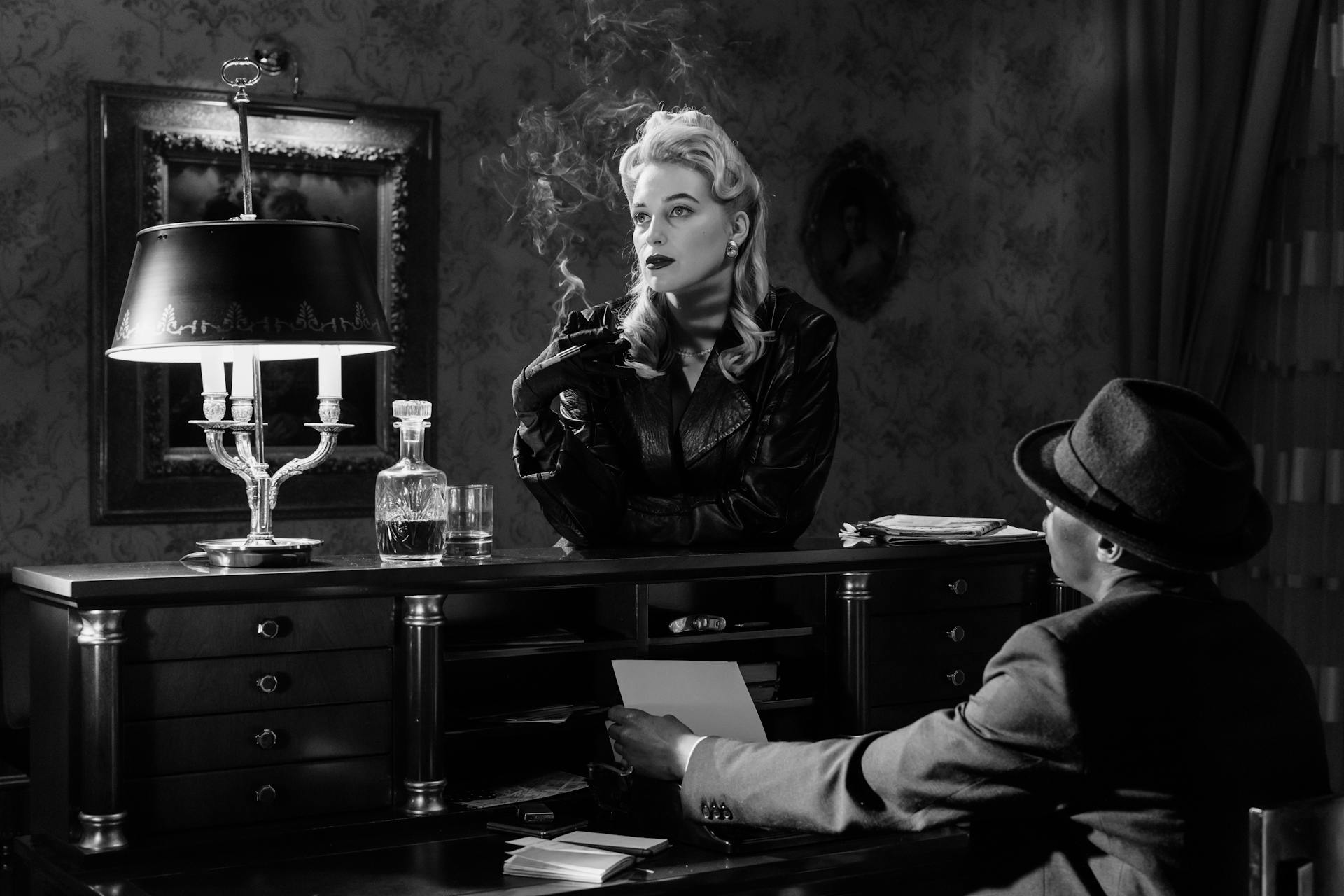
It brought some evolution in the 1940s and 1950s with more diverse roles of women in Hollywood. Film noir, in its turn, made femme fatales mysterious and morally ambiguous, and put the vision of the girl next door to the test. Actresses such as Bette Davis and Joan Crawford were tough and intelligent in their parts, and they crossed the limits of female characterization. Although these steps were made, the industry remained conservative in its expectations and most of the major women were stuck in plots that focused on beauty and vulnerability.
The Influence of Feminism and Changing Narratives
The feminist movements of the 1960s and 1970s had a significant influence on the female figures in cinematography. Hollywood slowly broadened its stories, and women started to have a voice as protagonists who have agency and depth. Movies started to dwell on the struggles of women to be independent, pursue careers and other forms of identity other than the conventional roles of a family. Women were also defying the social norms as portrayed in iconic roles in films like Thelma and Louise and An Unmarried Woman. This period also reflected more heterogeneous female experience, but the real diversity in terms of race, classes, and background was not much.
Modern Hollywood: Diversity and Empowerment
 Female protagonists have become more empowered, heterogeneous, and multifaceted in genres in the last few decades. The Hollywood industry has understood the importance of having films that portray women as heroes, leaders and complex personalities with their own reasons and weaknesses. Films with female protagonists in the action film, science fiction, and drama genre have become mainstream hits, shattering box office records and criticism. Meryl Streep, Viola Davis and Scarlett Johansson are a few of the actresses who have played complete personalities with depth and breadth.
Also, representation is given more attention, and more women of color, LGBTQ women, and women of different backgrounds are becoming prominent. The emergence of female filmmakers and authors has also diversified the storytelling, and the real female views can influence the narratives. Social movements such as the #MeToo have also highlighted gender discrimination and harassment, which makes Hollywood more responsible and accommodating.
Challenges and the Road Ahead
Change should be continuous and commitment to diversity, equality, and the challenge of old standards should be preserved. With the audience requiring more and diverse stories about female lives, the movie industry has a chance to see even more revolutionary depictions of female protagonists in the future.
A Reflective Journey
The history of female protagonists in Hollywood reflects the changes that happened in society in general. The transformation of restricted roles made on the basis of looks and reliance to empowered characters with their agency and complexity is the reflection of the current cultural changes in the direction of gender equality. The female leads in Hollywood are now empowering, provoking and thrilling in a manner that no one could ever imagine, leaving a legacy in the generations to come of storytellers and the audience.