
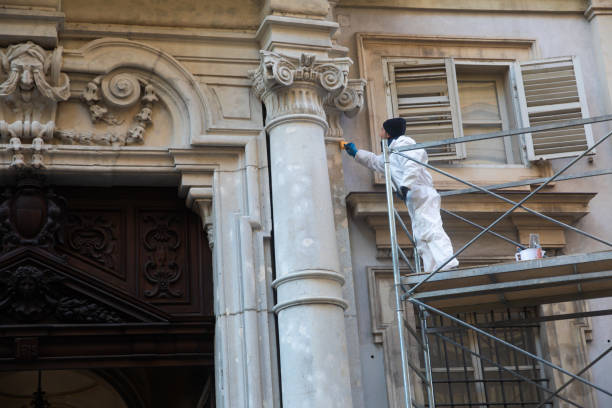
When people think about historical preservation, they usually imagine crowded museums or tourists taking photographs of old monuments. But the physical Keepsakes of the past are of much greater value to the people in the area. The preservation of historic places has more to offer than just an economic lifeline in the form of increased seasonal economic activity or outside revenue. It is the foundation of today’s society; it enhances community education; it creates a strong sense of community identity. Understanding and enjoying our area’s heritage changes the attitudes and perceptions of citizens to their home communities.
Strengthening Local Identity and Civic Pride
Each town and city has its own history, and it is all a consequence of the heroic individuals who went before them. In the absence of locals actively caring for historic buildings and installing informational signs, the residents’ sense of their own heritage is lost. The experience of seeing tangible evidence of early pioneers and historic eras instills great civic pride. Organizations dedicated to this mission, such as those found on https://www.facebook.com/nativesonsgw/, highlight the importance of remembering regional milestones. Citizens have a stronger commitment to care for their neighborhoods today if they are aware of the struggles and successes of their local area in the past. This common culture brings together various populations with a regional heritage.
Educating Young Students Through Physical Landmarks
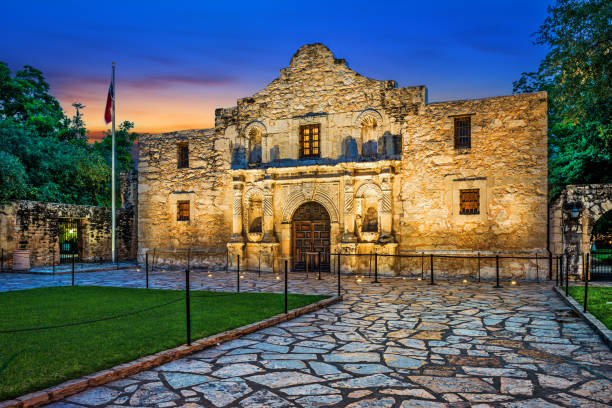
History books are important, but nothing can take the place of having to stand in a restored 19th-century building. Students of all ages learn in open-air classrooms through physical landmarks. Young people can imagine life in the past when they visit, experience preserved historic sites, and can see what people were doing every day for early settlers and the gold rush era pioneers. The hands-on learning kindles natural inquiry and contributes to the deep impact of academic lessons. Educational programmes associated with local preservation benefit children’s awareness of the impact of past events on the present society. Educating youth on the importance of local history will instill in them a longing to be good stewards of their culture.
Fostering Community Collaboration and Volunteerism
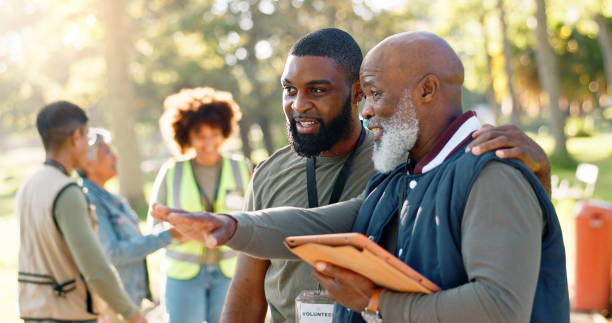
It’s never just one person’s work to preserve local history. It takes the participation of the local community, historical societies, and civic organizations. Restoration projects unite people around a purposeful, meaningful objective. Volunteers work weekends removing trash from abandoned sites, planning community fundraisers, and researching area archives. This co-operative effort fosters good inter-personal relationships, beyond mere conservation. People who have no reason to interact with each other collaborate to preserve the area’s heritage. The collaborative efforts contribute to the resilience of communities and promote a sense of belonging and support.
Revitalizing Neighborhoods and Architectural Heritage
Old neighborhoods get a new life through historic preservation while preserving their character. Rather than pulling down old structures that will be replaced with new glass towers, communities can rehabilitate existing structures for public purposes. Historic storefronts and community centers are more aesthetically pleasing to local downtown areas when they are restored. This thoughtful architectural preservation not only respects the art of the previous generations who designed the structure, but also creates space for contemporary businesses and community activities. Saving these physical structures maintains the authentic charm that makes each region distinct and special for everyone.
Conclusion
History plays much more than an economic role in attracting people from outside. This is an important community ritual that fosters a sense of community, shares information about architecture with the next generation, encourages volunteers, and helps preserve architectural history. By honoring the pioneers and events of the past, we build a stable foundation for the future. In preserving our common history, our communities will continue to be alive, connected, and proud of their heritage day after day.